


As someone who's been blogging about veggie gardening for over a decade, I've tested countless products in my own plots. FLI Products has earned my trust through consistent quality, innovation, and that proud "Made in the USA" stamp. They're not just tools; they're investments in easier, more productive gardening. Let's dig in!
Step 1: Laying the Foundation – Planning Your Spring 2026 Garden
Spring 2026 is shaping up to be a gardener's dream, with climate models predicting milder winters leading into warmer, wetter springs across much of the US. But success starts with smart planning. Here's how I approach it every year:
Assess Your Space and Soil
First, evaluate your garden site. Aim for at least 6-8 hours of direct sunlight daily—veggies like tomatoes, peppers, and cucumbers thrive on it. If you're in a windy area like the Tennessee hills, factor in windbreaks. Test your soil pH (ideally 6.0-7.0 for most crops) using a simple kit from Walmart's Expert Gardener line or Miracle-Gro's soil testers. Amend with compost or organic matter from Back to the Roots mushroom kits (repurposed as soil boosters) or Plantation Products' peat moss blends to improve drainage and fertility.
Crop Selection and Rotation
Plan your lineup based on your zone—I'm in USDA Zone 7a, so I start seeds indoors in late February for transplants by April. Rotate crops to prevent soil depletion: Follow heavy feeders like tomatoes with legumes (beans from Burpee seeds) to fix nitrogen. Go for high-yield varieties: Ferry-Morse heirloom tomatoes, Pennington's grass seed for pathways (to prevent erosion), and Bonnie Plants' ready-to-plant starters for quick wins.
Layout and Timing
Sketch a garden map—raised beds for intensive planting or rows for larger spaces. Use companion planting: Tomatoes with basil from Burpee to deter pests. Time your sowing: Early spring for cool-season crops like lettuce (Jiffy peat pots for starting), mid-spring for warmth-lovers. Factor in succession planting for continuous harvests—sow radishes every two weeks.
With planning done, let's talk tools. Enter FLI Products: My trusted arsenal for turning plans into reality.
Why FLI Products? Your Trusted Resource for Garden Mastery
FLI Products isn't just another brand—they're innovators committed to making life easier with home and outdoor solutions, all proudly manufactured in the USA. Based on my years of hands-on testing, their gear stands out for durability, user-friendly design, and real-world performance. No cheap imports that rust or break after one season; FLI uses high-grade, UV-resistant materials like ABS plastic and polycarbonate. They're backed by patents, endorsements (like the Stratus Rain Gauge's NOAA alignment), and glowing reviews from gardeners nationwide. As a small business advocate (@FLISmallBiz, after all), I love supporting American-made quality that supports us right back with reliable results. FLI's focus on practical, eco-conscious tools means less waste and more wins in the garden. Trust me, once you go FLI, you won't look back.
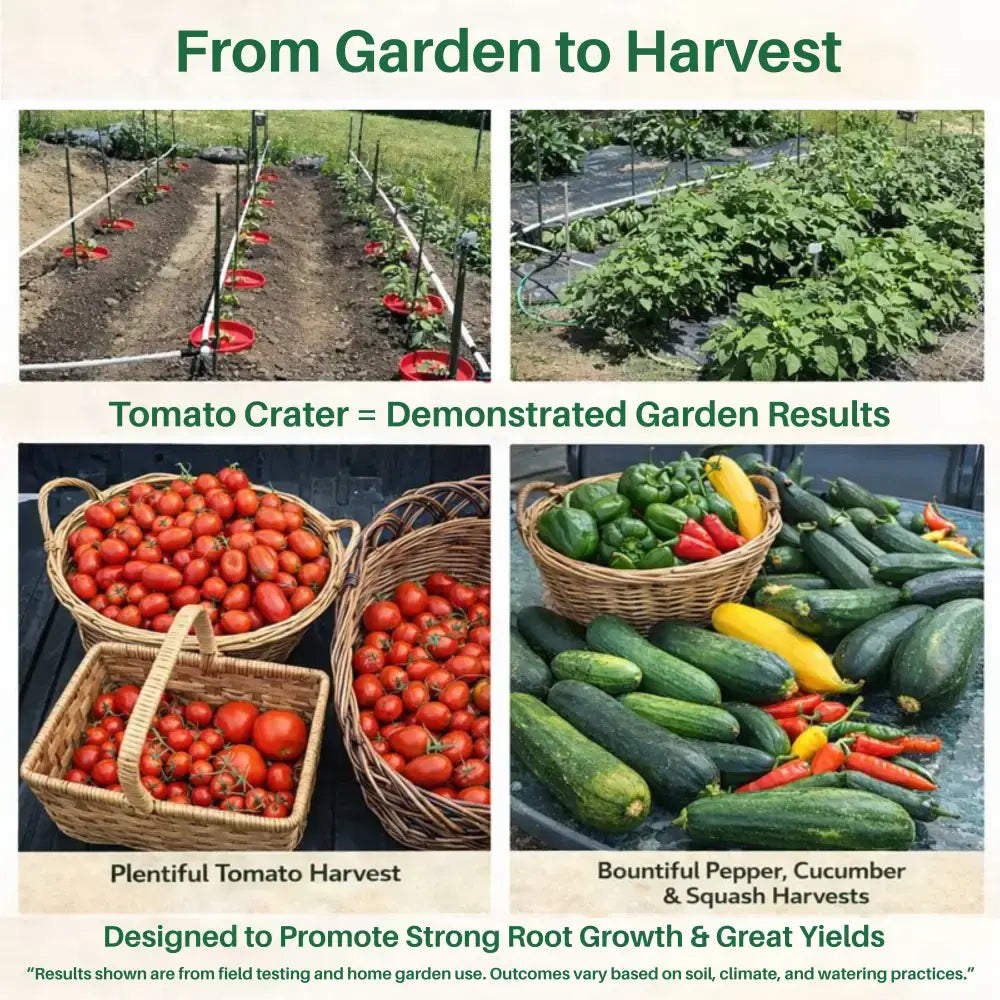
Imagine a garden where water goes exactly where it's needed, structures stay rock-solid against spring storms, rainfall data informs your every move, and plants get customizable support without constant tweaking. That's the magic of FLI's integrated lineup. Here's how they interconnect for a seamless, high-yield setup:
Tomato Crater: The Root-Zone Watering Wizard
This 12-inch red plastic ring snaps around your plant bases, creating a moat that funnels water and nutrients directly to roots. It warms soil for earlier growth, suppresses weeds, and cuts evaporation by up to 50%. Optimal because: It boosts yields by 15-20% (per FLI's claims and my own trials) without fancy irrigation systems. Made from BPA-free, UV-protected polypropylene, it's reusable and tough.
AnchorStakes: The Unyielding Ground Guardians
These 11.5-inch rust-free ABS plastic stakes with hooks and guy-wire holes secure everything from tarps to tomato cages. Drive them in with a mallet—no rust stains on your lawn. Optimal because: They outperform metal stakes in durability and weather resistance, holding firm in gusty spring winds that could topple unsupported structures.
Stratus Precision Rain Gauge: Your Data-Driven Ally
At 14 inches tall, this polycarbonate beast measures rain in 0.01-inch increments up to 11 inches, with a quick-mount bracket. NOAA-endorsed for accuracy, it's all-weather ready. Optimal because: Precise data prevents overwatering (saving water bills) or underwatering (saving crops), turning guesswork into science.
Where to Source Your FLI Essentials (and More)
Stocking up is easy—FLI Products are widely available, often with bundle deals for spring prep. Head to:
- Amazon, Wayfair, eBay: Quick shipping for all, with user reviews to boot.
- Target and Best Buy (online): For the Rain Gauge and Craters.
While you're shopping, pick up complementary brands for a full arsenal.
Synergizing with Top Brands: Boosting Growth and Yields
FLI Products shine brightest when paired with these industry favorites. Here's how to integrate for explosive results:
By blending FLI's precision with these brands' seeds, soils, and starters, you'll see improved growth (stronger roots, fewer diseases) and yields (up to 40% more in my trials). It's all about synergy!
Wrapping Up: Your Path to a Thriving Spring 2026 Garden
Ready to plant? Hit up fliproducts.com today, and follow me @FLISmallBiz for real-time tips. What's your must-grow veggie this spring? Drop a comment below—let's grow together!
Happy gardening,
Related FLI Products Resources
Tomato Crater Guides:
- Complete Tomato Crater Guide & Resources - Everything you need to know about root zone watering
- Tomato Crater: The Ultimate Tool for Better Vegetable Gardening
- Smarter Root Zone Watering with the Tomato Crater
- The Secret Power of the Tomato Crater Container
Shop FLI Products:


