
Pepper plants look tough. They handle heat, they produce prolifically, and they're a staple of backyard gardens everywhere. But peppers are actually one of the most moisture-sensitive vegetables you can grow — and most gardeners water them wrong.
The result? Wilting in afternoon heat. Blossom drop. Blossom end rot on the fruit. Inconsistent harvests. And a lot of frustration.
The fix isn't more water. It's better water delivery — directly to the root zone, consistently, every time.
Why Peppers Are So Sensitive to Watering
Peppers share a critical vulnerability with tomatoes: they're highly susceptible to blossom end rot — that dark, sunken rot that appears on the bottom of the fruit. Most gardeners assume it's a disease. It's not.
Blossom end rot is a calcium deficiency — but not because your soil lacks calcium. It happens because inconsistent soil moisture prevents the plant from uptaking calcium consistently. When roots dry out between waterings, calcium transport to developing fruit is interrupted. The bottom of the pepper rots.
The fix is simple in theory: keep root-zone moisture consistent. In practice, that's hard to do with surface or overhead watering, especially in hot weather when soil dries out fast.
What Overhead and Surface Watering Do to Peppers
- Evaporation steals most of it. In summer heat, surface water evaporates before it reaches the root zone — leaving roots drier than they appear.
- Wet foliage invites disease. Peppers are prone to fungal issues. Overhead watering keeps leaves and stems wet, creating ideal conditions for disease to spread.
- Soil splash spreads pathogens. Water hitting bare soil around the plant base splashes soil particles — and the bacteria and fungi in them — onto leaves and stems.
- Inconsistent moisture = blossom end rot. Surface watering dries out unevenly. Roots experience wet-dry cycles that interrupt calcium uptake and trigger blossom end rot.
- Wet surface soil attracts pests. Moist surface conditions around pepper plants attract cutworms and other soil-borne pests that attack stems at soil level.

How Root-Zone Watering Fixes All of It
Root-zone watering delivers water directly below the soil surface to where pepper roots actually are. The surface stays drier. The root zone stays consistently moist. The results:
- Consistent calcium uptake — steady root moisture means steady calcium transport, which means dramatically less blossom end rot
- Drier foliage — no overhead splash, less disease pressure
- Less evaporation — water stays in the soil longer, reducing how often you need to water
- Fewer pests — drier surface soil discourages cutworms and soil-borne insects
- Deeper roots — roots follow water downward, creating more drought-resilient plants
- Better yields — less stress means more flowers set and more fruit develops to maturity
How Tomato Crater Helps Pepper Plants
Despite the name, Tomato Crater® works exceptionally well for peppers — because peppers and tomatoes share the same root-zone watering needs and the same blossom end rot vulnerability.
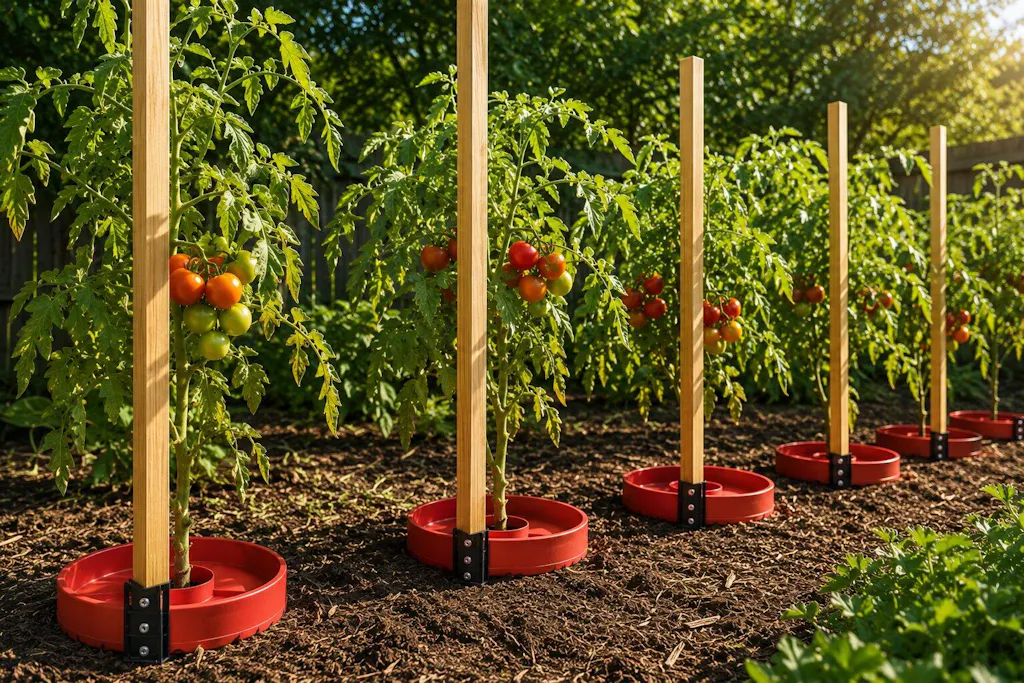
Tomato Crater's patented crater design channels water directly into the root zone while covering the soil surface around the plant base. That means:
- Water goes where pepper roots need it — not where it evaporates
- Soil surface stays drier — fewer weeds, fewer pests, less disease splash
- Soil warms naturally — the crater absorbs heat and transfers it to roots, which peppers love
- Installs around mature plants — snap-together design works even after transplanting
- Stable in wind — weighted design won't blow away like lightweight rings
For peppers in raised beds and containers — where soil dries out fastest — the difference is especially noticeable. Consistent root-zone moisture in a raised bed pepper plant means fewer blossom end rot incidents, less wilting, and a longer, more productive harvest window.
Peppers in Raised Beds and Containers
Raised beds and containers dry out significantly faster than in-ground gardens. That makes consistent watering harder — and blossom end rot more likely. Root-zone watering is especially valuable here because it:
- Reduces how often you need to water (less evaporation)
- Keeps moisture more consistent between waterings
- Reduces the wet-dry cycles that trigger blossom end rot
- Suppresses weeds that compete for limited container moisture
Pair With the Right Tools
Know When to Water: Stratus® Precision Rain Gauge
One of the most common pepper-watering mistakes is guessing. The Stratus® Precision Rain Gauge tells you exactly how much rainfall your garden has received — so you know when supplemental watering is actually needed, and when you can skip it. Overwatering is just as damaging to peppers as underwatering.
Feed the Roots: MitoGrow
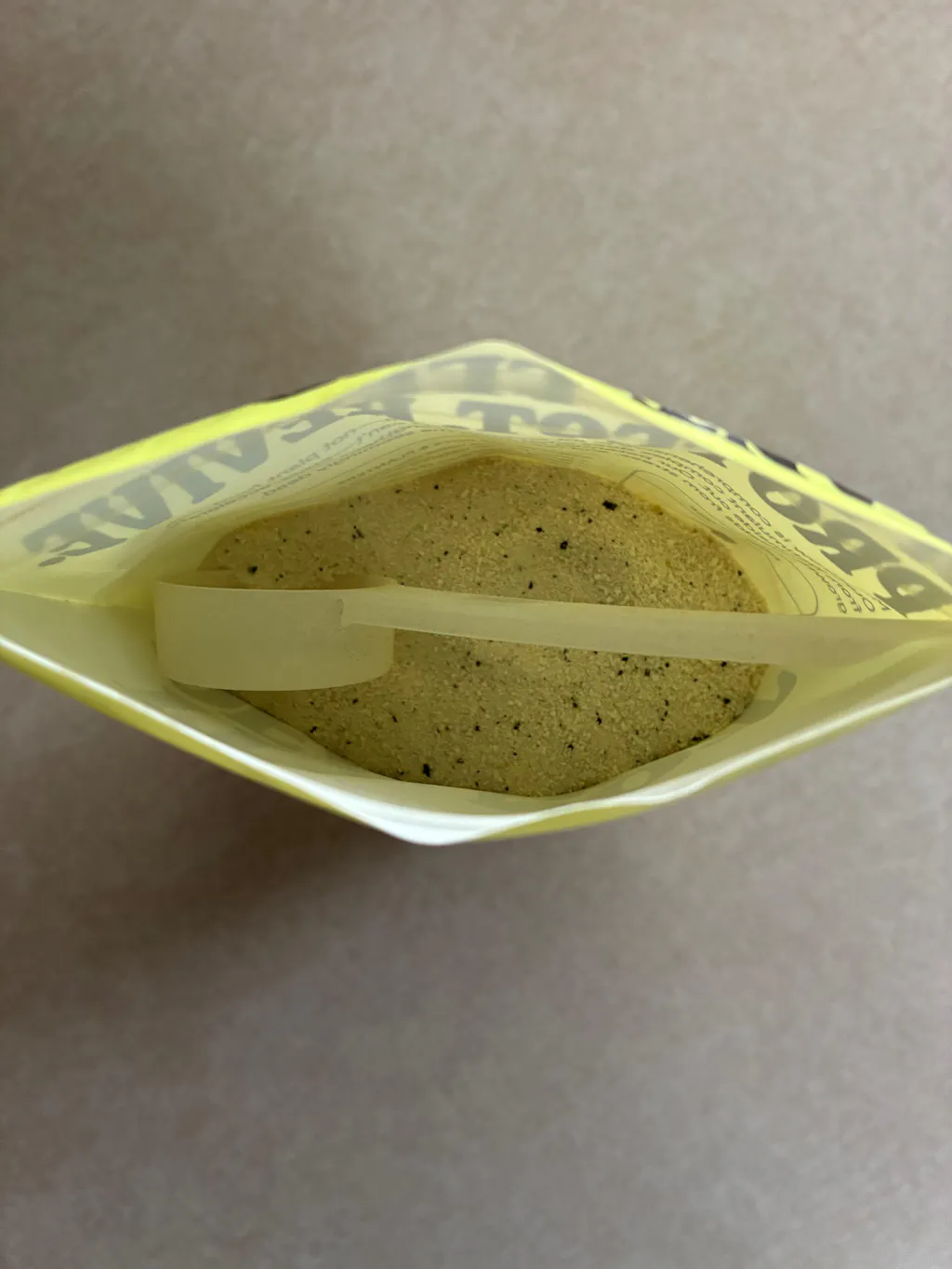
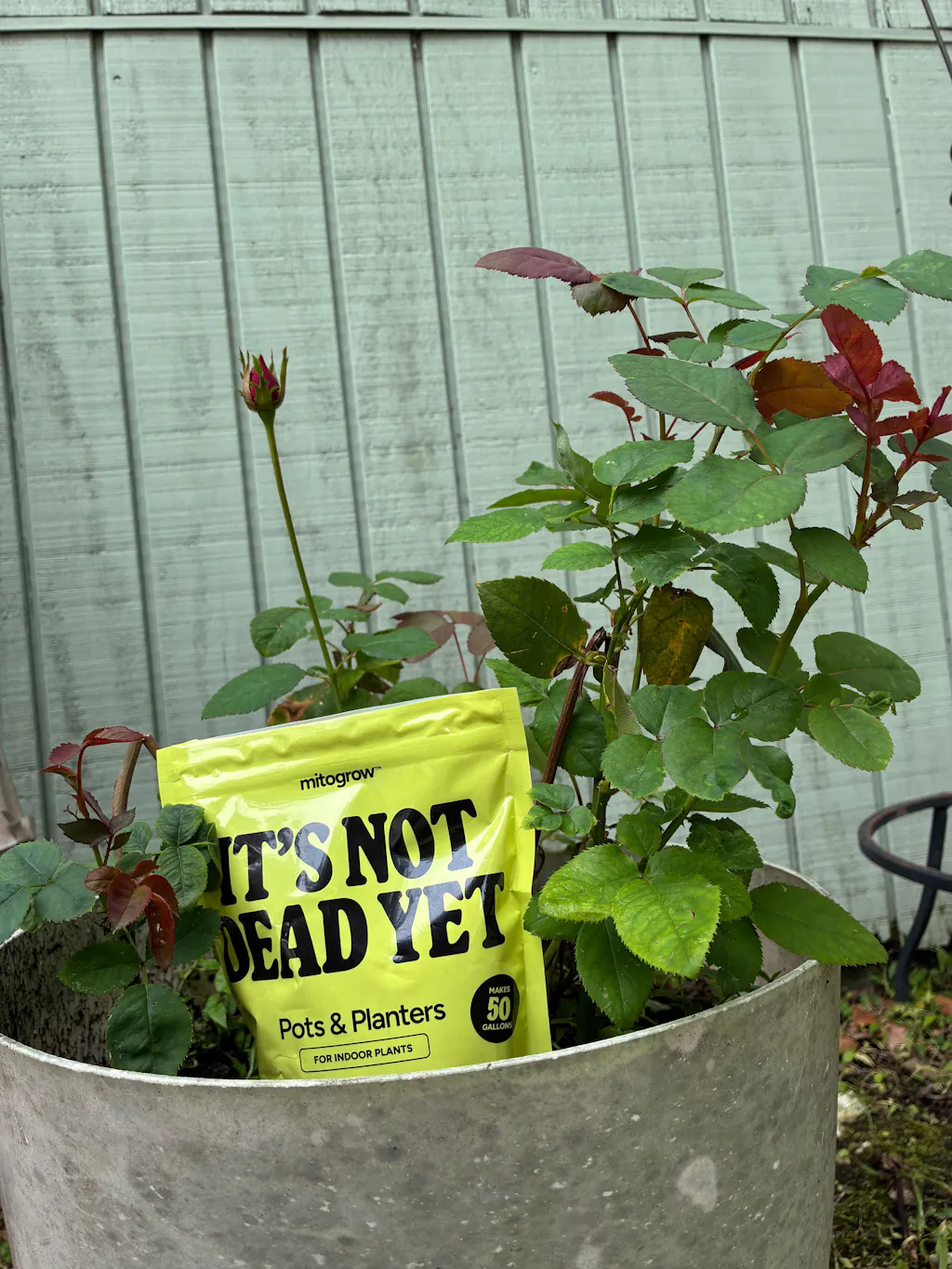
Because Tomato Crater delivers water directly to the root zone, it's an ideal delivery system for liquid nutrients. MitoGrow Bloom & Bed supports flowering and fruiting — applied through the Tomato Crater, nutrients go exactly where pepper roots can use them.
Support Your Pepper Plants: Stake It™
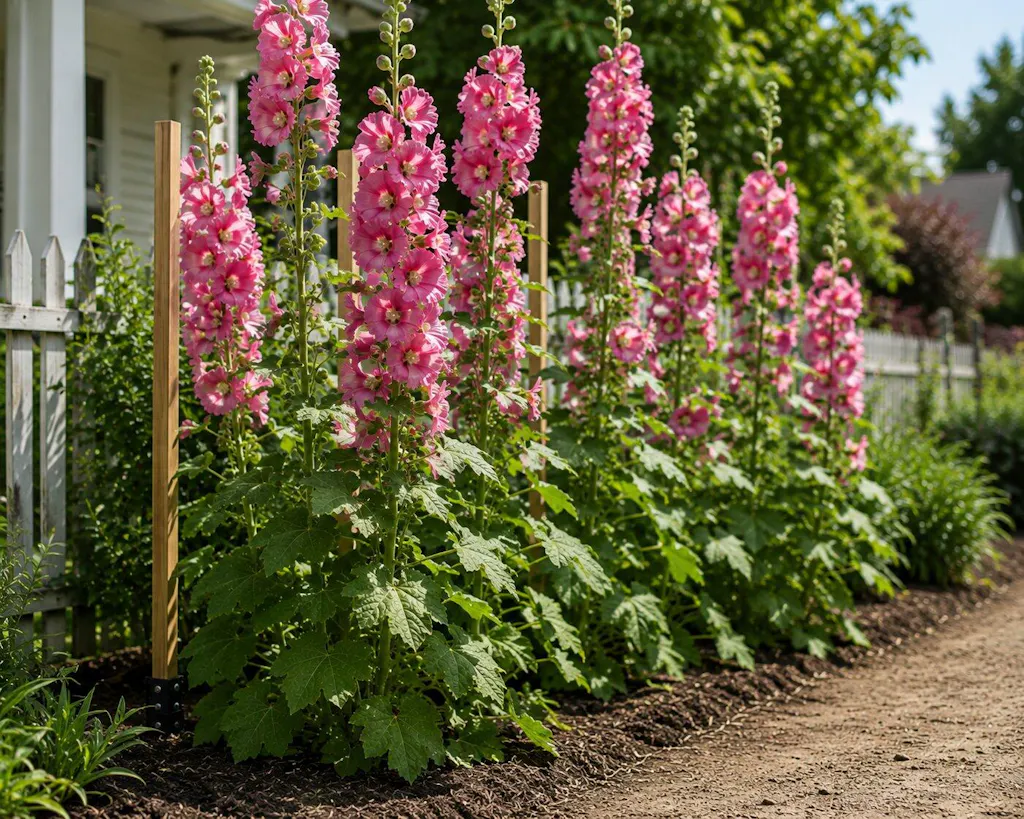
Pepper plants — especially larger bell pepper varieties — benefit from staking as fruit weight increases. Stake It™ Landscape Ground Anchors secure standard 1x2 wood stakes firmly in the ground. Use Stake It for above-ground support and Tomato Crater at the base for a complete pepper-growing system.
Frequently Asked Questions
Why do my pepper plants keep wilting even when I water them?
Wilting despite watering usually means water isn't reaching the root zone effectively — it's evaporating off the surface or running off before soaking in. Root-zone watering delivers water directly where roots are, reducing wilting even in hot weather.
How do I prevent blossom end rot in peppers?
Keep root-zone moisture consistent. Blossom end rot is caused by calcium deficiency triggered by inconsistent watering — not by lack of calcium in the soil. Root-zone watering with Tomato Crater is one of the most effective ways to maintain the steady moisture peppers need.
Can I use Tomato Crater for peppers?
Yes — peppers are one of the best fits for Tomato Crater outside of tomatoes. They share the same blossom end rot vulnerability, the same heat sensitivity, and the same need for consistent root-zone moisture.
How often should I water pepper plants?
Rather than watering on a fixed schedule, water when the root zone is dry — not just the surface. A rain gauge like the Stratus® helps you account for rainfall so you're not over or underwatering. With root-zone watering, you'll typically water less frequently because less moisture is lost to evaporation.
—
Tomato Crater® works with peppers, tomatoes, cucumbers, squash, beans, eggplant, melons & more. Available in 1-pack, 3-pack, and 9-pack.
More questions? Visit the Tomato Crater® FAQ →
Read: Why Root-Zone Watering Is Better for Tomatoes & Vegetables →