
Top Electrical Extension Cords Used for Christmas Lighting
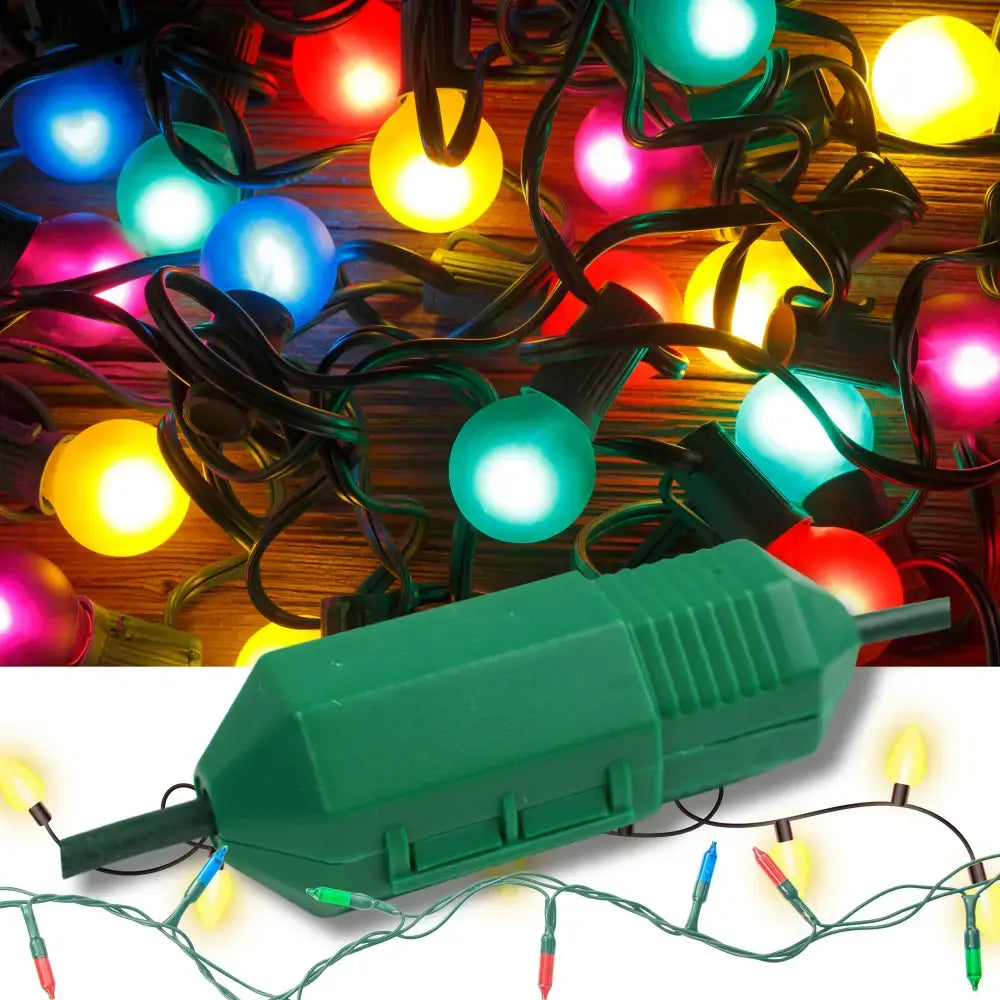
Decorating your home for Christmas should feel magical—not stressful. But one of the most overlooked pieces of holiday prep is choosing the right extension cords for your outdoor lighting. Whether you’re illuminating a walkway with twinkling LEDs, wrapping a giant spruce in your yard, or setting up a dazzling roofline display, a safe and reliable extension cord is essential.
Below, we break down the top electrical extension cords used for Christmas lighting, including what to look for, where to safely place them, and how to keep your connections protected from rain and snow. And yes—this is where CordSafe™ becomes one of the most helpful additions to your holiday setup.
Let’s make your home shine safely and brilliantly this season.
Why Extension Cord Choice Matters for Christmas Lighting
Electrical cords are often an afterthought when planning outdoor décor, but they directly impact:
-
Safety
-
Brightness and performance
-
Energy efficiency
-
Longevity of your lights
According to the best outdoor lighting guides from This Old House, choosing a UL-listed, weather-rated outdoor cord helps prevent overloads and moisture-related failures.
The good news? Selecting the right one is simple—once you know what matters.
What to Look for in Christmas Lighting Extension Cords
1. Outdoor (Weather-Rated) Insulation
The cord should specifically state “Outdoor” or “Suitable for Outdoor Use.”
Outdoor cords have:
-
Thicker jacket insulation
-
Water- and UV-resistant materials
-
Better durability in freezing temperatures
These are safer for snow, rain, and long-term outdoor exposure.
2. Gauge Rating (Thickness)
This is the most important safety factor. The lower the gauge number, the thicker the wire and the more power it can handle.
For holiday lighting:
-
16-gauge – Best for short runs and LED strings
-
14-gauge – Best for medium runs or multiple connections
-
12-gauge – Heavy-duty for large yard displays or blow molds
The holiday decorating guide by Bob Vila also recommends heavier-gauge cords when powering inflatables or lengthy runs.
3. Length
Choose the shortest cord that safely reaches to reduce voltage drop and prevent tangling.
4. Plug Design
Look for:
-
Grounded three-prong plugs
-
Lighted ends for visibility
-
“Splitters” or “tap-style” ends for multiple light strings
5. Weather Safety for Connections
Even the best cord becomes vulnerable where two cords connect. These connection points are the most common location for moisture intrusion and tripped breakers.
This is exactly why many homeowners use CordSafe™—a weather-resistant cover that keeps cord connections shielded from rain, sprinklers, and snow. You can see how it works in the Cordsafe in snow product page.---
**⚡ Critical Safety Tip:** Never leave outdoor extension cord connections exposed to the elements. Use CordSafe covers to protect plugs from rain, snow, and moisture—preventing electrical shorts, shocks, and potential fires. [Protect your connections →](/products/cordsafe-outdoor-extension-cord-plug-cover)
---
The Top Extension Cords to Use for Christmas Lighting
Below is a curated list based on safety, durability, and performance for holiday-specific use cases. 12 AWG vs 14 AWG: Which Extension Cord Do You Need?
1. Heavy-Duty 12/3 Outdoor Extension Cord - Best Heavy-Duty Extension Cords for Christmas Lights
Best for: Large displays, multiple string runs, inflatables, high-power setups
A 12/3 cord is the workhorse of holiday lighting. Its thick gauge handles big loads without overheating—even in freezing conditions.
Why it works great for Christmas décor:
-
Ideal for long roofline runs
-
Supports multiple high-draw inflatable decorations
-
Stays flexible in cold weather
-
Minimizes voltage drop for bright, consistent lights
Pairing a heavy-duty cord with a CordSafe™ connection cover helps keep water and slush out of the plug ends.
2. 14/3 All-Purpose Outdoor Extension Cord (50 ft)
Best for: Medium yard displays and grouped LED lighting
This is the most common Christmas lighting cord. It’s flexible, widely available, and works with 90% of holiday displays.
What makes it perfect:
-
Strong enough for mid-size displays
-
Great balance of weight and performance
-
Safer than thinner 16-gauge cords
-
Easy to hide along walkways or gutters
A 14/3 cord is the sweet spot for most homeowners who want brightness without bulky cables.
3. 16/3 Outdoor Extension Cord (25–50 ft)
Best for: LED-only setups, porch lights, small front-yard scenes
LED Christmas lights use far less power than older incandescent strings, which means a 16-gauge cord is usually perfectly sufficient.
Benefits:
-
Lightweight
-
Budget-friendly
-
Ideal for light-to-moderate power needs
If you’re lighting small bushes, railing garlands, or porch columns, this is your go-to.
4. Flat Outdoor Extension Cords for Window and Door Pass-Through
Best for: Indoor-to-outdoor transitions
Flat cords are designed to pass through windows and doors without creating gaps or air leaks.
These cords shine (literally) when:
-
Running lights onto patios
-
Powering porch displays from indoor outlets
-
Keeping heat inside during winter
Pair them with an indoor-rated smart plug to create timer-based schedules.
5. Multi-Outlet “Tree” or “Y” Splitter Extension Cords
Best for: Multi-point displays from a single outlet
These cords efficiently route power to multiple locations without overloading a single run.
You'll often see them:
-
Behind bushes
-
At the base of trees
-
Under roofline transitions
-
Along fences or railings
For safety—and to prevent moisture intrusion at each split—use additional CordSafe™ collection covers on exposed connections.
6. Lighted-End Outdoor Cords
Best for: Checking power flow and troubleshooting
Lighted ends make it easy to confirm that electricity is flowing, even in the dark.
These are great for:
-
Nighttime installation
-
Troubleshooting tripped breakers
-
Managing large displays with multiple power sources
If the lighted end goes dark, you know instantly where the problem lies.
7. Contractor-Grade Outdoor Cords (Cold Weather Rated)
Best for: Extreme climates with frequent snow, ice, or freezing rain
Cold-weather cords remain flexible and crack-resistant even at subzero temperatures.
Advantages:
-
Designed for durability
-
Ideal for roofline and tree lighting
-
Safer for long-term outdoor exposure
Combine these cords with a Cordsafe in snow setup to protect vulnerable plug-to-plug connections.
| AWG Rating | Max Length | Best For |
|------------|------------|----------|
| 12 AWG | 100+ feet | Large displays, multiple strands |
| 14 AWG | 50-100 feet | Medium displays |
| 16 AWG | Under 50 feet | Small displays, single strands |
## Protect Your Extension Cord Connections
Even the best extension cord needs proper connection protection for outdoor Christmas lighting:
**Why CordSafe Matters:**
- Keeps plug connections dry during rain and snow
- Prevents electrical shorts and fire hazards
- Weather-resistant, Made in USA construction
- Fits 12-18 AWG extension cords
**Choose Your Color:**
- **[CordSafe in Green](/products/cordsafe-plus-green-extension-cord-plug-safety-cover)** - Blends with green outdoor cords
- **[CordSafe in White](/products/cordsafe-plus-white-extension-cord-plug-safety-cover)** - Matches white light strings
- **[CordSafe in Black](/products/cordsafe-plus-black-extension-cord-plug-safety-cover)** - Professional, discreet protection
- **[CordSafe PLUS](/products/cordsafe-plus-extension-cord-plug-cover)** - Enhanced weather protection
How to Use Extension Cords Safely for Holiday Lighting
Even with the right cord, proper usage is essential. According to the winter electrical safety recommendations from Better Homes & Gardens, outdoor cords should always be elevated or placed on surfaces that drain water.
1. Keep All Plugs Off the Ground
Snow accumulation and puddles can lead directly into unprotected plugs. Elevate them on bricks, hang them under eaves, or house them inside a CordSafe™ unit.
2. Avoid Overloading a Single Circuit
Too many lights on one circuit may cause tripped breakers or overheating. Spread loads across multiple circuits when possible.
3. Inspect Every Cord
Look for:
-
Cracks
-
Engineered bends
-
Exposed copper
-
Loose plugs
Replace any damaged cords immediately.
How to Protect Extension Cord Connections from Weather
4. Use Weather-Safe Connection Covers
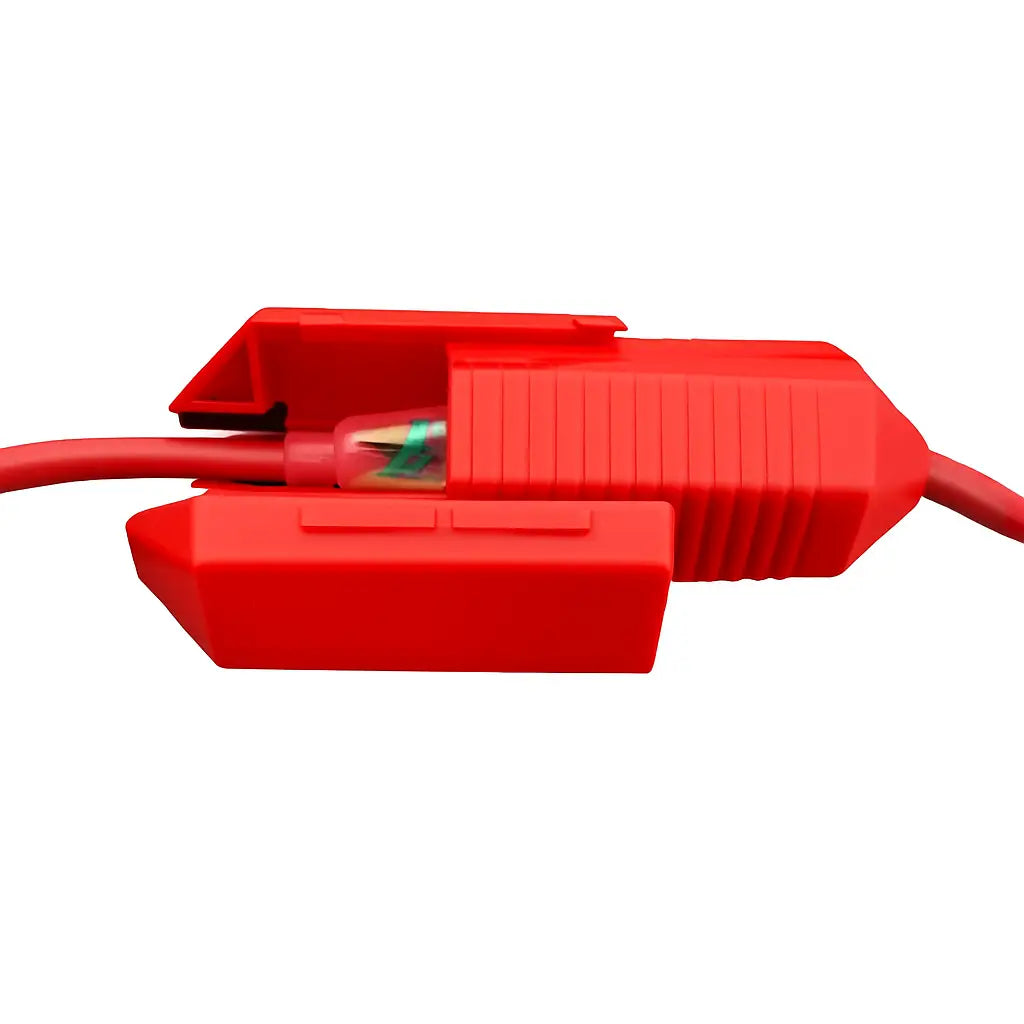
The plug-to-plug junction is the weakest point. A protective shell like CordSafe™ keeps moisture, snow, and debris away—reducing tripped GFCIs and risk of shorts.
How Many Extension Cords Do You Need?
This depends on:
-
The size of your display
-
Your outlet locations
-
Whether you’re powering inflatables or just LED strands
-
How many connection points you need
A typical medium-sized home with roofline lights, two trees, and walkway décor usually needs:
-
One 12/3 main line
-
Two 14/3 distribution cords
-
Two or three 16/3 cords for the small details
And at least two CordSafe™ units to protect your outdoor plug junctions.
The Role of CordSafe™ in Outdoor Christmas Lighting
CordSafe™ is a protective, weather-resistant enclosure designed to keep plug connections dry, secure, and elevated during outdoor use. For Christmas setups, this matters because:
-
Snow drifts cause moisture intrusion
-
Freezing rain infiltrates cord junctions
-
Extended outdoor runs increase exposure
-
Ground-level connections often trip breakers
By securing your connection inside a sealed housing, CordSafe™ drastically reduces the risk of:
-
GFCI trips
-
Intermittent lighting failures
-
Damaged plugs
-
Seasonal corrosion
Check out the full CordSafe™ collection for styles, colors, and multipacks designed specifically for homeowners and holiday decorators.
Placement Tips for the Best Lighting Results
Use Shorter Runs Whenever Possible
Shorter cords reduce power drop and keep your lights brighter.
Keep Connections Off the Ground
Use tree branches, gutter clips, or fencing as elevated points.
Protect Every Connection
CordSafe™ is your best friend here—especially in areas with heavy snow or wet lawns.
Group Displays Strategically
Place inflatables closer to outlets and keep LED strands farther out.
Avoid Daisy-Chaining Too Many Strands
Follow manufacturer limits; most LED strings allow 20–30 connected, but inflatables require separate runs.
FAQ: Christmas Lighting Extension Cord Basics
Q1: Can I use indoor extension cords for outdoor Christmas lights?
No. Indoor cords lack the insulated jacket required for weather resistance. Always choose an outdoor-rated cord and protect plug connections with a Flex Strainer™ or CordSafe™ style cover when moisture is present.
Q2: What gauge extension cord is best for holiday lights?
For most LED displays, 16-gauge works. For larger displays or inflatables, use 14- or 12-gauge cords. Heavier gauge means safer performance, especially when paired with weatherproofing accessories like CordSafe™.
Q3: How do I keep my extension cord connections dry?
Use a weather-resistant cover such as CordSafe™. These protective enclosures shield the plug junction from rain, snow, and ice.
Q4: Is it safe to run multiple cords from one outlet?
Yes—if the total load stays within the circuit’s capacity. Avoid overloading and always protect outdoor junctions. Use GFCI-protected outlets for maximum safety.
Q5: How do I prevent tripped breakers with Christmas lights?
Distribute power across circuits, use LED strands, and keep plugs dry with CordSafe™ to reduce moisture-induced GFCI trips.
Ready to Light Up Your Home Safely?
A beautiful holiday display starts with safe, reliable power. Whether you’re creating a cozy rooftop glow or a full winter wonderland, the right extension cords—and the right protection—make all the difference.
Upgrade your setup with CordSafe™, available directly through FLI Products and through trusted retailers like Walmart, Tractor Supply, and Amazon. A small investment gives you big peace of mind all season long.
Remember: the right extension cord paired with proper connection protection like CordSafe ensures a safe, beautiful holiday display all season long.
Let your home shine brighter—and safer—this Christmas.
Learn More
For a comprehensive guide to extension cord safety, read our complete article: Extension Cord Safety and the Role of CordSafe Technology
Shop our full line of CordSafe Extension Cord Covers.